Can you cook sticky rice in a rice cooker?
Yes, you can make sticky rice in a rice cooker, but there are a few things to keep in mind. While I prefer the traditional Lao method for its perfect balance of texture—slightly bouncy, not too dry or wet—this rice cooker method is great when you forget to soak the rice and need a quick dinner. The key to achieving a texture close to the traditional method is using the right water-to-rice ratio: 1 ⅔ cups of water for every 3 cups of sticky rice.
Whats the traditional Lao sticky rice method?
This is the tried-and-true method for making sticky rice that has been perfected over hundreds of years, but it does require specific traditional equipment. If you need more details, I recommend downloading my free Lao Sticky Rice Guide, which includes step-by-step instructions and links to the necessary equipment. You can also find the full written guide to the traditional method here.

Rice Cooker Lao Sticky Rice
Ingredients
Instructions
- In the pot, add the sticky rice and enough water to cover it. Use your hands to mix the rice and rinse away excess starch. Repeat this process 3 times.
- After draining, return the rice to the pot. For sticky rice, use a ratio of 1-2/3 cups of water for every 3 cups of rice to achieve the perfect texture—not too wet, not too dry. Be sure to use the measuring cup that comes with your rice cooker.
- Set the cooker to the "sweet" setting, which, in this case, adjusted to 49 minutes.
- Once done, open the cooker and gently fluff the rice.
Recommended Products
Did you make this recipe?
Recent Recipes
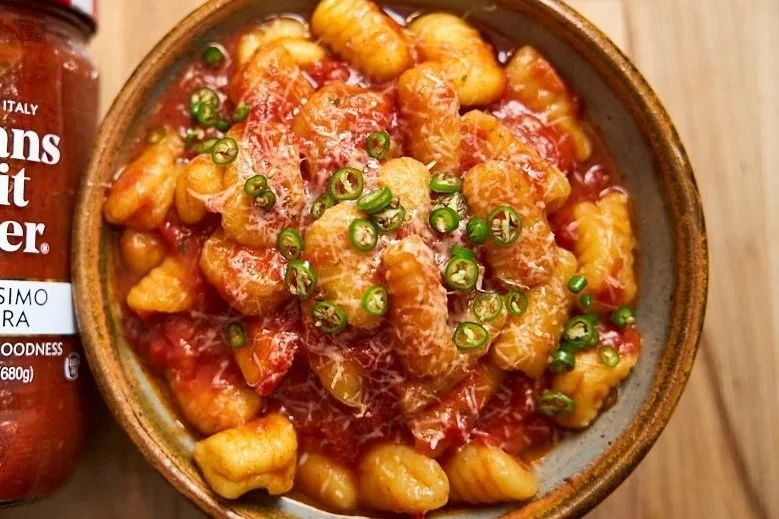
This Lao-inspired kabocha squash gnocchi brings together the flavors and ingredients of Lao and Italian cooking in one delicious dish. Made with steamed kabocha squash, rice flour, and tapioca flour instead of traditional potatoes and wheat flour, these homemade gluten-free gnocchi are soft, chewy, and easy to make. They're tossed in a rich marinara sauce and finished with freshly grated Parmesan cheese and spicy green bird's eye chilies for a little Lao kick. It's a fun fusion recipe that celebrates how ingredients from two different cuisines can come together to create something delicious and comforting.
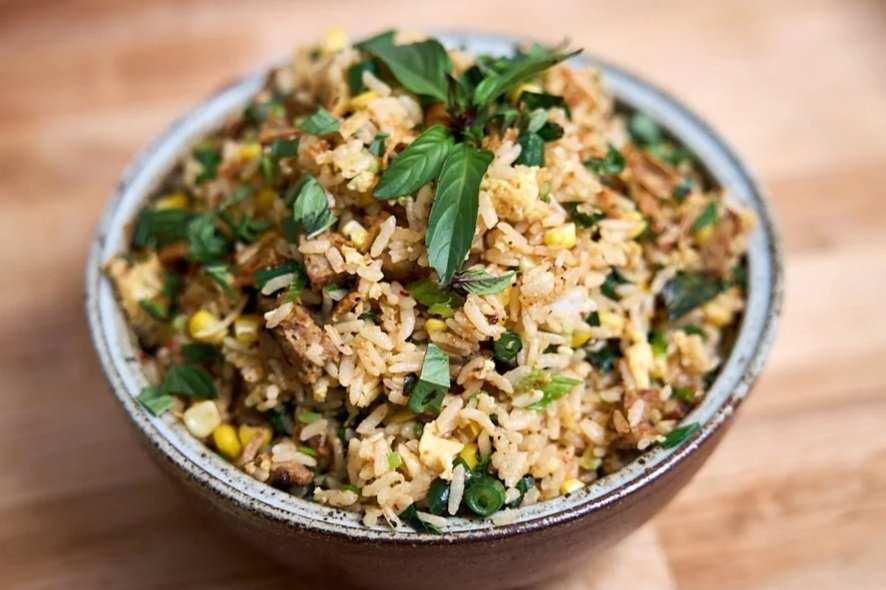
This Lao fried rice takes all the elements of Lao food that you know and love and brings them together in one dish. It’s packed with chopped Lao sausage, spicy and sweet jeow bong, and classic vegetables like corn and green beans, then topped with fresh green onions and sweet basil. The great thing about this dish is that many of the ingredients are interchangeable. Use whatever vegetables, herbs, or proteins you have left over, including leftover steamed rice. It’s an easy and delicious way to turn leftovers into something full of Lao flavor.
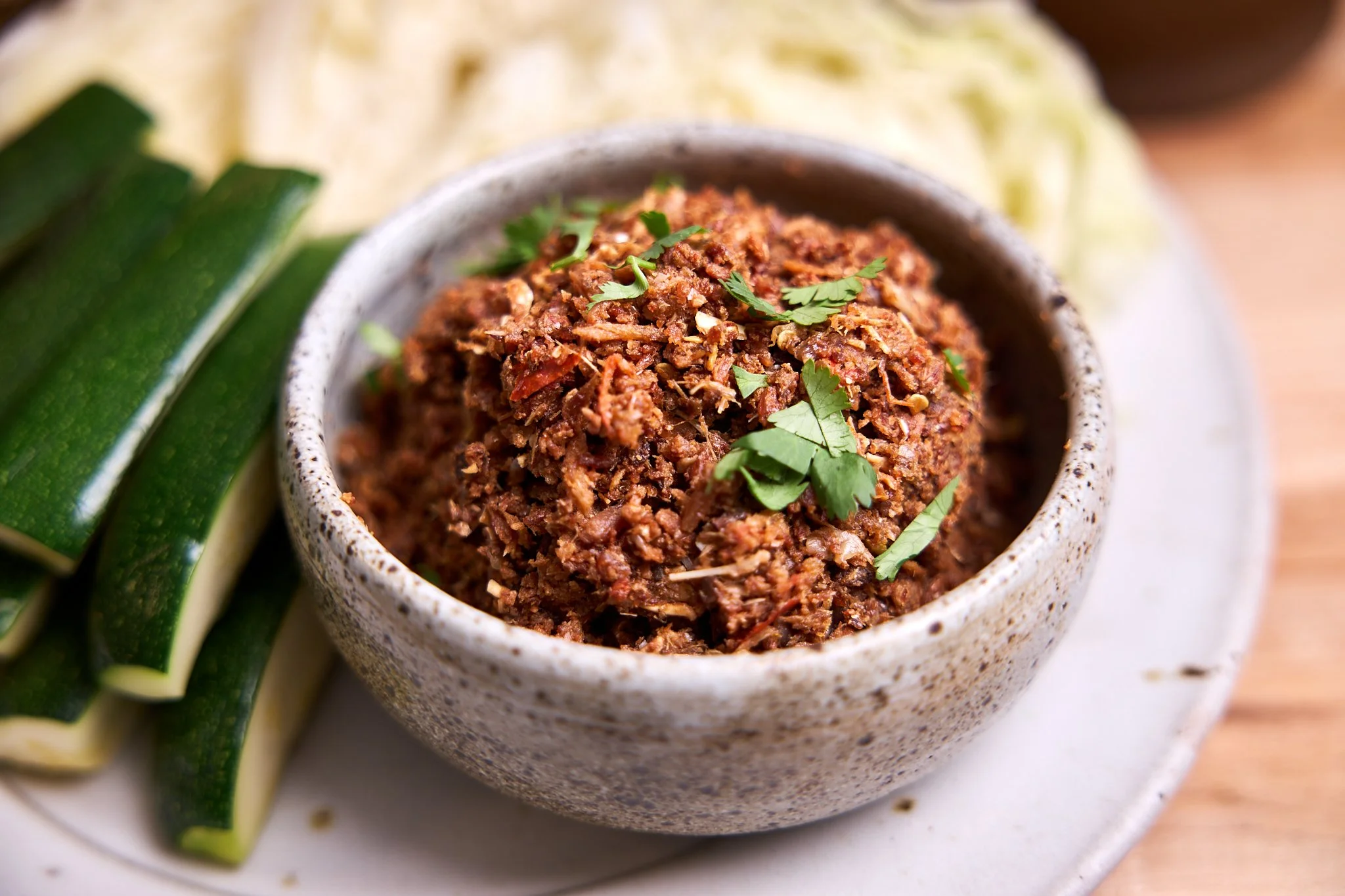
Jeow pa hang is a traditional Lao dried fish dip that makes use of the whole fish, including the flesh, bones, and head. The dried fish is pounded in a deep mortar and pestle until the bones are finely crushed, then mixed with a fragrant aromatic paste and seasoned with fish sauce. This savory and aromatic dip is best enjoyed with steamed vegetables and Lao sticky rice.
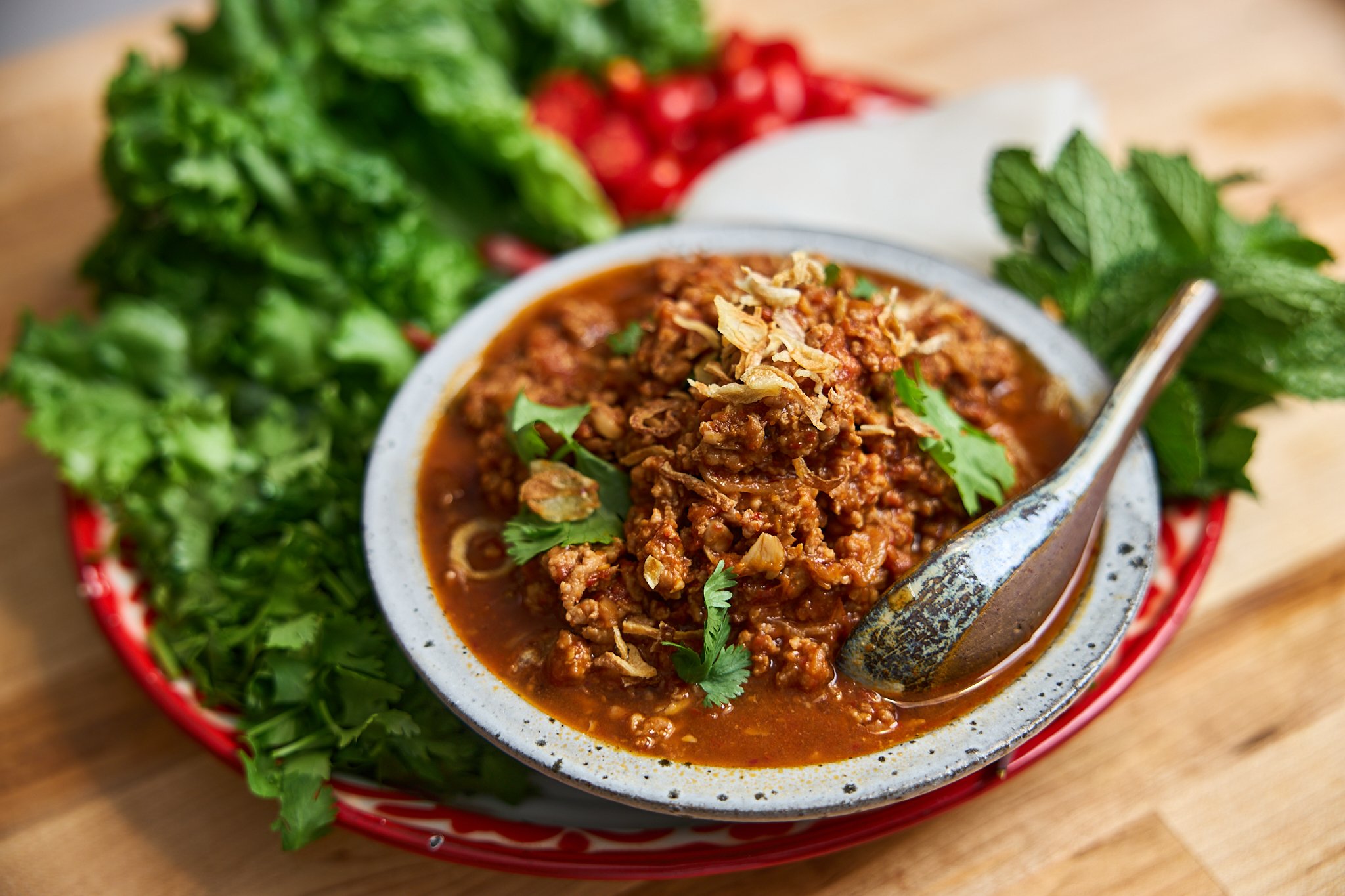
This recipe transforms the classic Lao khao soi into fresh rice paper lettuce wraps. Instead of serving the savory meat sauce over noodles in broth, homemade fresh rice paper is cut into sheets and layered with crisp lettuce, fresh herbs, and the flavorful tomato meat sauce. The result is a light yet satisfying Lao recipe that highlights the fresh ingredients and bold flavors of traditional khao soi in a fun, hands-on way.
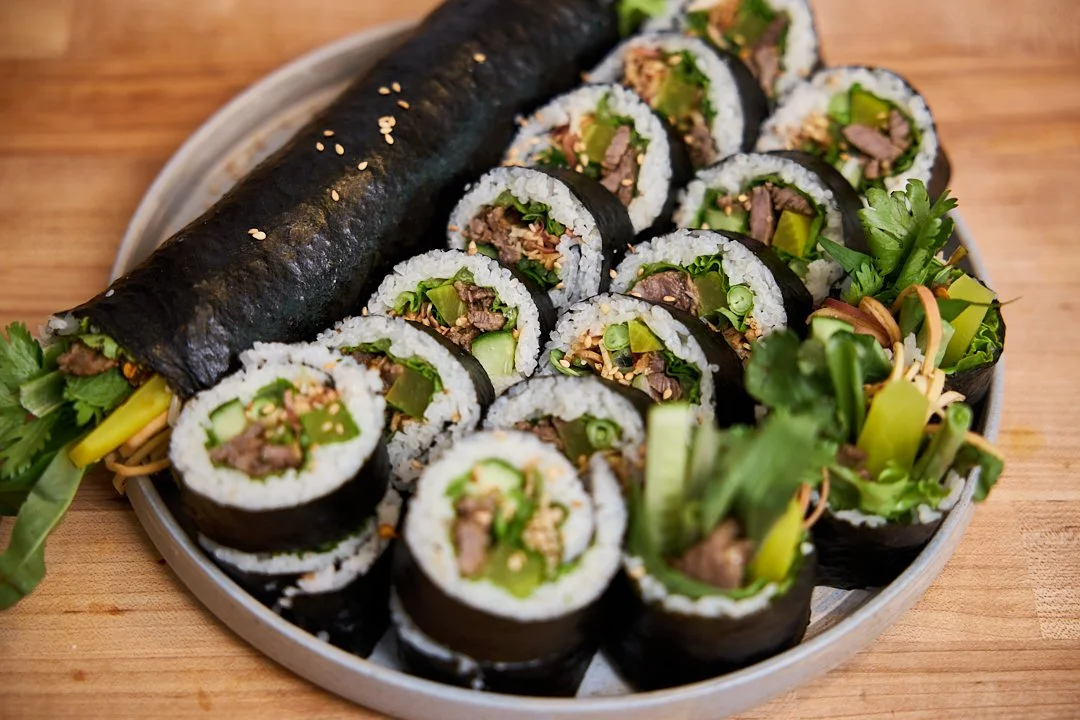
Kimbap is a beloved Korean dish made by rolling seasoned rice, vegetables, and protein in seaweed before slicing it into bite-sized pieces. Traditional versions often include ingredients like pickled radish, carrots, spinach, and bulgogi.
As someone who loves both Korean and Lao food, I wanted to create a fusion version inspired by one of my favorite Lao dishes: laab. This Lao-style kimbap keeps the classic sesame-seasoned rice but swaps in the bold, herbaceous flavors of laab. Filled with seasoned beef, fresh herbs, toasted rice powder, lime, and chili, it delivers all the flavors of laab in a fun, portable bite.
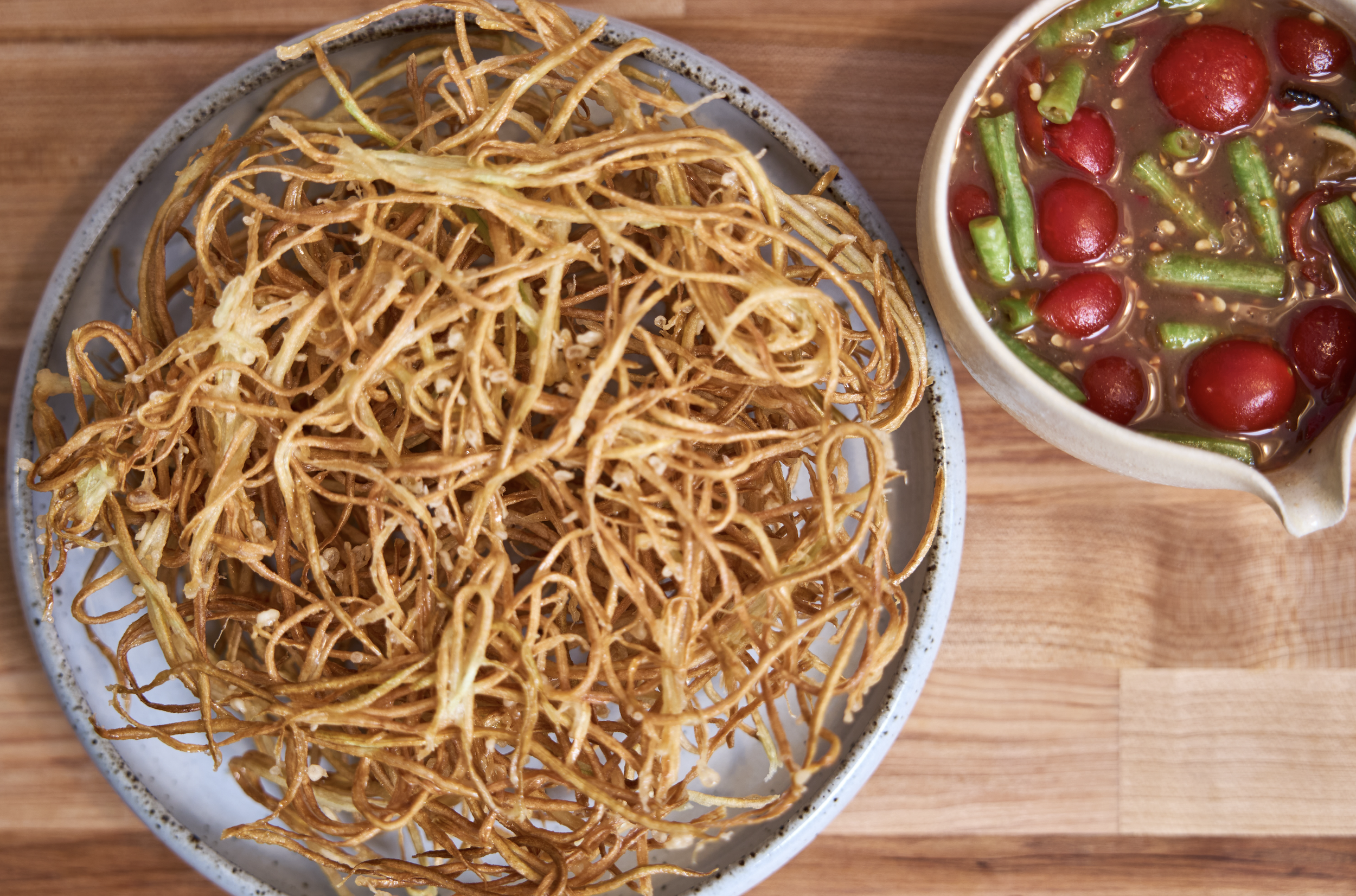
Lao papaya salad is known for its deep, spicy, and umami-packed flavor. Traditionally, it’s made with shredded unripe papaya for its signature crunchy texture. In this version, the papaya is dipped in a light tempura batter and deep-fried, creating an extra crispy bite while still delivering the bold, funky flavors of the classic dish. Serve it as a snack for anyone who loves dipping crunchy bites into a spicy papaya salad sauce.


Sabaidee, I’m Saeng!
I’m a personal chef who specializes in Lao food. Here at Saeng’s Kitchen, you’ll find all your favorite traditional Lao foods and also some new twists to Lao style dishes.